Recession (Y/N)?

Share:

Table of Contents

Table of Contents

Sign Up for Our Newsletter:

Monthly insights from Prevail

8 − three =

Are we in a recession?

Depends on who you ask.

Let’s discuss.

The most common definition of a recession is two consecutive quarters of negative growth.1

The economy met that bar after the most recent report on Gross Domestic Product, which showed that the economy shrank in the first half of 2022.

If it looks like a duck and quacks like a duck…isn’t it a recession?

Not so fast.

We won’t know whether we’re in a recession for several more months.

Why?

Well, the official arbiter of recessions is the National Bureau of Economic Research (NBER) and their recession criteria depend on a lot more data than just GDP.1

To formally declare a recession, the NBER looks for a significant and widespread decline in economic activity that goes on for a while.

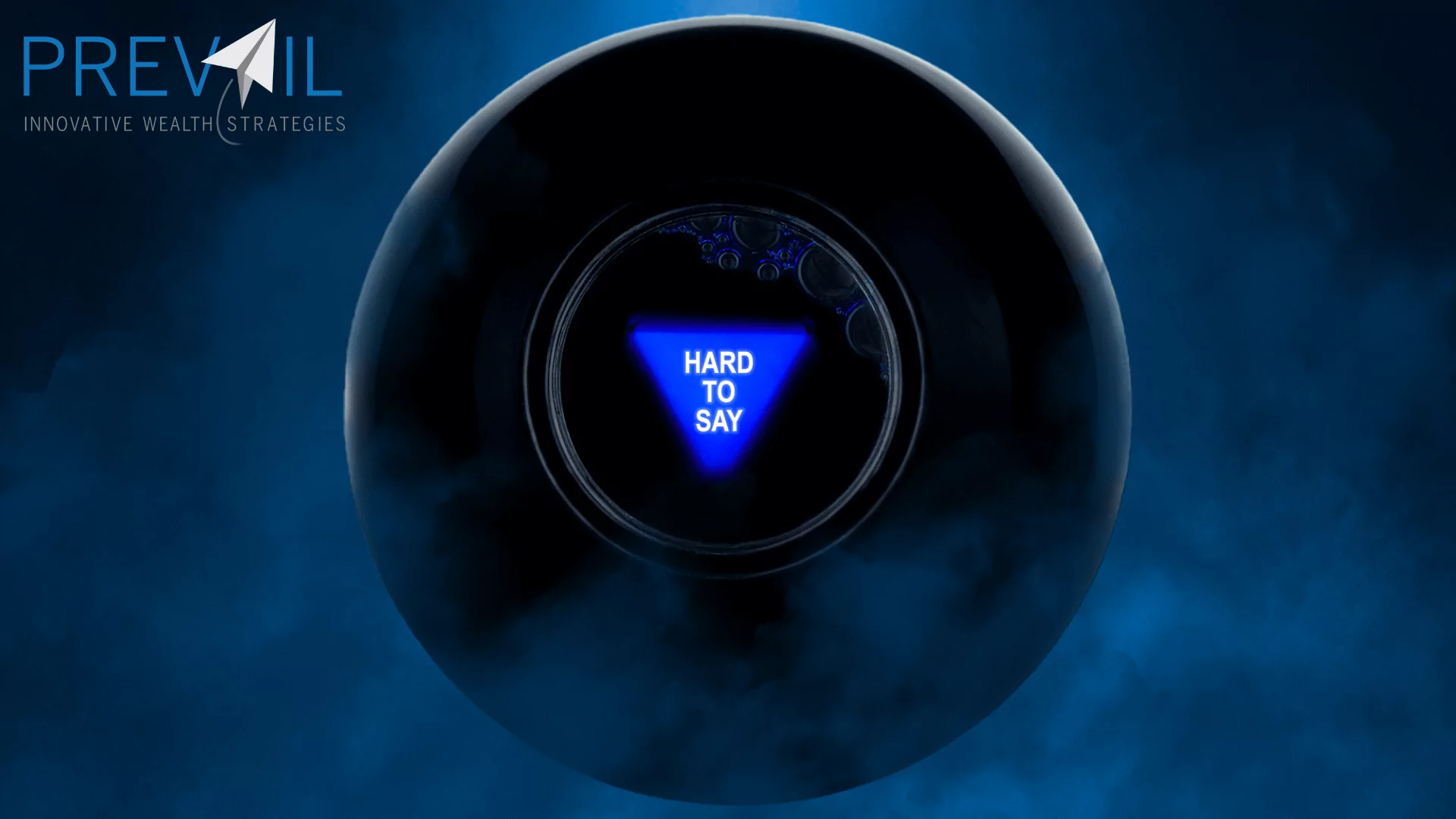
We may very well be in a recession. However, a mixed bag of positive and negative economic factors makes it hard to determine.

         >On the positive side: the labor market remains strong, still creating plenty of new jobs. Consumer and business investment is also still looking sturdy.1

         >On the negative side: inflation is obviously on everyone’s radar, as is the Fed’s latest interest rate hike.2

So, does it ACTUALLY matter whether we’re “officially” in a recession or not?

That also depends on who you ask. There’s symbolic value in knowing that we’re in a recession.

Policymaking economists are wary of prematurely announcing one. The possible result of panicked markets, businesses, and consumers could make it a self-fulfilling prophecy.

Several Wall Street economists think that we may not be in a recession right now; however, many have sounded the alarm that a downturn may be on the horizon.3

Bottom line: The reality of what we’re experiencing is more important than official recession calls and it looks hazy.

What does all this mean for me?

Whether we’re officially in a recession or not, the economy is flashing some undeniable warning signs.

Despite recent gains, we can expect more market volatility and selling pressure.

The good news? This isn’t a surprise to anyone. Hopefully, not to you since you read our blogs.

Right now, the best we can do is stick to the strategy, take advantage of the opportunities we see, and mentally prepare for a rocky road ahead.

We’ll continue to keep watch, analyze the forecasts (hazy as they are), and update you as needed.

Vigilantly,

Prevail Innovative Wealth Strategies

Frequently Asked Questions

Are we officially in a recession right now?

It depends. By the common rule of thumb—two consecutive quarters of negative GDP growth—the economy qualifies. However, the official determination is made by the National Bureau of Economic Research (NBER), and they use a broader set of data. Their decision won’t come for months.

Why doesn’t the NBER just use GDP?

Because GDP alone doesn’t capture the full economic picture. The NBER looks at employment, income, consumer spending, and industrial production to assess whether economic weakness is widespread and persistent.

So… are we in a recession or not?

We might be. We might not be. The data is mixed. Some indicators point to slowdown, others remain resilient. That ambiguity is exactly why markets feel uneasy.

Why does the labor market still look strong if recession risk is rising?

Because economic slowdowns don’t hit all sectors at once. Employment often lags other indicators. A strong job market doesn’t eliminate recession risk—it just complicates the picture.

Why is inflation such a big concern right now?

Inflation erodes purchasing power and forces the Federal Reserve to raise interest rates. Higher rates slow economic activity, which increases the risk of a downturn.

Does it really matter whether we’re “officially” in a recession?

Symbolically, yes. Practically, less so. Markets and consumers respond to conditions, not labels. Waiting for an official declaration often means reacting late.

Why are policymakers cautious about calling a recession?

Because fear changes behavior. Premature declarations can cause businesses and consumers to pull back spending, potentially turning slowdown into a deeper downturn.

What are Wall Street economists saying?

Opinions vary. Some believe we are not currently in a recession, while many agree the probability of one in the near future has increased.

What should investors expect next?

Continued volatility. Market gains may be followed by pullbacks. Selling pressure is likely as investors digest economic data and Fed policy.

Is this volatility unexpected?

No. These risks have been visible for some time. Markets don’t like uncertainty, and right now there’s plenty of it.

Should I change my investment strategy because of recession fears?

No knee-jerk moves. Strategy should already account for volatility. Abandoning it now risks locking in losses and missing future recoveries.

What should investors be doing right now?

Sticking to the plan, staying opportunistic where appropriate, and mentally preparing for uneven conditions. Discipline matters more than predictions.

What’s the bottom line?

The economic picture is hazy. Labels won’t change that. What matters is staying vigilant, informed, and strategic—not reactive.

Author picture
Author picture

Kerry Lawing

CEO

Are we in a recession?

Depends on who you ask.

Let’s discuss.

The most common definition of a recession is two consecutive quarters of negative growth.1

The economy met that bar after the most recent report on Gross Domestic Product, which showed that the economy shrank in the first half of 2022.

If it looks like a duck and quacks like a duck…isn’t it a recession?

Not so fast.

We won’t know whether we’re in a recession for several more months.

Why?

Well, the official arbiter of recessions is the National Bureau of Economic Research (NBER) and their recession criteria depend on a lot more data than just GDP.1

To formally declare a recession, the NBER looks for a significant and widespread decline in economic activity that goes on for a while.

We may very well be in a recession. However, a mixed bag of positive and negative economic factors makes it hard to determine.

         >On the positive side: the labor market remains strong, still creating plenty of new jobs. Consumer and business investment is also still looking sturdy.1

         >On the negative side: inflation is obviously on everyone’s radar, as is the Fed’s latest interest rate hike.2

So, does it ACTUALLY matter whether we’re “officially” in a recession or not?

That also depends on who you ask. There’s symbolic value in knowing that we’re in a recession.

Policymaking economists are wary of prematurely announcing one. The possible result of panicked markets, businesses, and consumers could make it a self-fulfilling prophecy.

Several Wall Street economists think that we may not be in a recession right now; however, many have sounded the alarm that a downturn may be on the horizon.3

Bottom line: The reality of what we’re experiencing is more important than official recession calls and it looks hazy.

What does all this mean for me?

Whether we’re officially in a recession or not, the economy is flashing some undeniable warning signs.

Despite recent gains, we can expect more market volatility and selling pressure.

The good news? This isn’t a surprise to anyone. Hopefully, not to you since you read our blogs.

Right now, the best we can do is stick to the strategy, take advantage of the opportunities we see, and mentally prepare for a rocky road ahead.

We’ll continue to keep watch, analyze the forecasts (hazy as they are), and update you as needed.

Vigilantly,

Prevail Innovative Wealth Strategies

Frequently Asked Questions

Are we officially in a recession right now?

It depends. By the common rule of thumb—two consecutive quarters of negative GDP growth—the economy qualifies. However, the official determination is made by the National Bureau of Economic Research (NBER), and they use a broader set of data. Their decision won’t come for months.

Why doesn’t the NBER just use GDP?

Because GDP alone doesn’t capture the full economic picture. The NBER looks at employment, income, consumer spending, and industrial production to assess whether economic weakness is widespread and persistent.

So… are we in a recession or not?

We might be. We might not be. The data is mixed. Some indicators point to slowdown, others remain resilient. That ambiguity is exactly why markets feel uneasy.

Why does the labor market still look strong if recession risk is rising?

Because economic slowdowns don’t hit all sectors at once. Employment often lags other indicators. A strong job market doesn’t eliminate recession risk—it just complicates the picture.

Why is inflation such a big concern right now?

Inflation erodes purchasing power and forces the Federal Reserve to raise interest rates. Higher rates slow economic activity, which increases the risk of a downturn.

Does it really matter whether we’re “officially” in a recession?

Symbolically, yes. Practically, less so. Markets and consumers respond to conditions, not labels. Waiting for an official declaration often means reacting late.

Why are policymakers cautious about calling a recession?

Because fear changes behavior. Premature declarations can cause businesses and consumers to pull back spending, potentially turning slowdown into a deeper downturn.

What are Wall Street economists saying?

Opinions vary. Some believe we are not currently in a recession, while many agree the probability of one in the near future has increased.

What should investors expect next?

Continued volatility. Market gains may be followed by pullbacks. Selling pressure is likely as investors digest economic data and Fed policy.

Is this volatility unexpected?

No. These risks have been visible for some time. Markets don’t like uncertainty, and right now there’s plenty of it.

Should I change my investment strategy because of recession fears?

No knee-jerk moves. Strategy should already account for volatility. Abandoning it now risks locking in losses and missing future recoveries.

What should investors be doing right now?

Sticking to the plan, staying opportunistic where appropriate, and mentally preparing for uneven conditions. Discipline matters more than predictions.

What’s the bottom line?

The economic picture is hazy. Labels won’t change that. What matters is staying vigilant, informed, and strategic—not reactive.

Sign Up for Our Newsletter:

Monthly insights from Prevail

eight minus 4 =
Author picture
Author picture

Kerry Lawing

CEO

Extensive Financial Planning Strategies

Our Team-Based Approach is Comprehensive and Easy.

1

Learn About You

Your Vision
Your Objectives
Your Opportunities
Your Challenges
Your Entire Picture (ie. Business & personal)

2

Develop Custom Strategies

Based on your unique situation
Leverage our team of experts
Establish wealth creation strategies
Determine ideal source of asset transfer

3

Build Wealth

Agree on and implement strategies
Establish tracking tools
Communicate regularly
Ongoing support from your financial BOD (Board of Directors)

Recession (Y/N)?

Are we in a recession?

Depends on who you ask.

Let’s discuss.

The most common definition of a recession is two consecutive quarters of negative growth.1

The economy met that bar after the most recent report on Gross Domestic Product, which showed that the economy shrank in the first half of 2022.

If it looks like a duck and quacks like a duck…isn’t it a recession?

Not so fast.

We won’t know whether we’re in a recession for several more months.

Why?

Well, the official arbiter of recessions is the National Bureau of Economic Research (NBER) and their recession criteria depend on a lot more data than just GDP.1

To formally declare a recession, the NBER looks for a significant and widespread decline in economic activity that goes on for a while.

We may very well be in a recession. However, a mixed bag of positive and negative economic factors makes it hard to determine.

         >On the positive side: the labor market remains strong, still creating plenty of new jobs. Consumer and business investment is also still looking sturdy.1

         >On the negative side: inflation is obviously on everyone’s radar, as is the Fed’s latest interest rate hike.2

So, does it ACTUALLY matter whether we’re “officially” in a recession or not?

That also depends on who you ask. There’s symbolic value in knowing that we’re in a recession.

Policymaking economists are wary of prematurely announcing one. The possible result of panicked markets, businesses, and consumers could make it a self-fulfilling prophecy.

Several Wall Street economists think that we may not be in a recession right now; however, many have sounded the alarm that a downturn may be on the horizon.3

Bottom line: The reality of what we’re experiencing is more important than official recession calls and it looks hazy.

What does all this mean for me?

Whether we’re officially in a recession or not, the economy is flashing some undeniable warning signs.

Despite recent gains, we can expect more market volatility and selling pressure.

The good news? This isn’t a surprise to anyone. Hopefully, not to you since you read our blogs.

Right now, the best we can do is stick to the strategy, take advantage of the opportunities we see, and mentally prepare for a rocky road ahead.

We’ll continue to keep watch, analyze the forecasts (hazy as they are), and update you as needed.

Vigilantly,

Prevail Innovative Wealth Strategies

Frequently Asked Questions

Are we officially in a recession right now?

It depends. By the common rule of thumb—two consecutive quarters of negative GDP growth—the economy qualifies. However, the official determination is made by the National Bureau of Economic Research (NBER), and they use a broader set of data. Their decision won’t come for months.

Why doesn’t the NBER just use GDP?

Because GDP alone doesn’t capture the full economic picture. The NBER looks at employment, income, consumer spending, and industrial production to assess whether economic weakness is widespread and persistent.

So… are we in a recession or not?

We might be. We might not be. The data is mixed. Some indicators point to slowdown, others remain resilient. That ambiguity is exactly why markets feel uneasy.

Why does the labor market still look strong if recession risk is rising?

Because economic slowdowns don’t hit all sectors at once. Employment often lags other indicators. A strong job market doesn’t eliminate recession risk—it just complicates the picture.

Why is inflation such a big concern right now?

Inflation erodes purchasing power and forces the Federal Reserve to raise interest rates. Higher rates slow economic activity, which increases the risk of a downturn.

Does it really matter whether we’re “officially” in a recession?

Symbolically, yes. Practically, less so. Markets and consumers respond to conditions, not labels. Waiting for an official declaration often means reacting late.

Why are policymakers cautious about calling a recession?

Because fear changes behavior. Premature declarations can cause businesses and consumers to pull back spending, potentially turning slowdown into a deeper downturn.

What are Wall Street economists saying?

Opinions vary. Some believe we are not currently in a recession, while many agree the probability of one in the near future has increased.

What should investors expect next?

Continued volatility. Market gains may be followed by pullbacks. Selling pressure is likely as investors digest economic data and Fed policy.

Is this volatility unexpected?

No. These risks have been visible for some time. Markets don’t like uncertainty, and right now there’s plenty of it.

Should I change my investment strategy because of recession fears?

No knee-jerk moves. Strategy should already account for volatility. Abandoning it now risks locking in losses and missing future recoveries.

What should investors be doing right now?

Sticking to the plan, staying opportunistic where appropriate, and mentally preparing for uneven conditions. Discipline matters more than predictions.

What’s the bottom line?

The economic picture is hazy. Labels won’t change that. What matters is staying vigilant, informed, and strategic—not reactive.

Frequently Asked Questions

Lorem ipsum dolor sit amet, consectetur adipiscing elit, sed do eiusmod tempor incididunt ut labore et? dolore?

Quam elementum pulvinar etiam non. Nibh praesent tristique magna sit amet purus. Augue lacus viverra vitae congue eu. Bibendum est ultricies integer quis auctor elit sed. Tortor pretium viverra suspendisse potenti nullam ac tortor. Viverra orci sagittis eu volutpat odio facilisis mauris sit amet. Consectetur a erat nam at lectus urna. Senectus et netus et malesuada fames. Tincidunt arcu non sodales neque sodales ut. Nibh praesent tristique magna sit amet purus gravida quis. Ultrices neque ornare aenean euismod elementum nisi quis. Potenti nullam ac tortor vitae purus faucibus ornare suspendisse. Velit egestas dui id ornare arcu odio ut sem. Amet nisl suscipit adipiscing bibendum est ultricies integer quis auctor. Enim sit amet venenatis urna. Nunc sed blandit libero volutpat sed cras ornare arcu. Pellentesque dignissim enim sit amet venenatis urna.

Lobortis elementum nibh tellus molestie nunc non blandit. Sed ullamcorper morbi tincidunt ornare massa? eget?

Quam elementum pulvinar etiam non. Nibh praesent tristique magna sit amet purus. Augue lacus viverra vitae congue eu. Bibendum est ultricies integer quis auctor elit sed. Tortor pretium viverra suspendisse potenti nullam ac tortor. Viverra orci sagittis eu volutpat odio facilisis mauris sit amet. Consectetur a erat nam at lectus urna. Senectus et netus et malesuada fames. Tincidunt arcu non sodales neque sodales ut. Nibh praesent tristique magna sit amet purus gravida quis. Ultrices neque ornare aenean euismod elementum nisi quis. Potenti nullam ac tortor vitae purus faucibus ornare suspendisse. Velit egestas dui id ornare arcu odio ut sem. Amet nisl suscipit adipiscing bibendum est ultricies integer quis auctor. Enim sit amet venenatis urna. Nunc sed blandit libero volutpat sed cras ornare arcu. Pellentesque dignissim enim sit amet venenatis urna.

Ultricies tristique nulla aliquet enim tortor at dictumst vestibulum rhoncus et pellentesque elit ullamcorper? iaculis?

Quam elementum pulvinar etiam non. Nibh praesent tristique magna sit amet purus. Augue lacus viverra vitae congue eu. Bibendum est ultricies integer quis auctor elit sed. Tortor pretium viverra suspendisse potenti nullam ac tortor. Viverra orci sagittis eu volutpat odio facilisis mauris sit amet. Consectetur a erat nam at lectus urna. Senectus et netus et malesuada fames. Tincidunt arcu non sodales neque sodales ut. Nibh praesent tristique magna sit amet purus gravida quis. Ultrices neque ornare aenean euismod elementum nisi quis. Potenti nullam ac tortor vitae purus faucibus ornare suspendisse. Velit egestas dui id ornare arcu odio ut sem. Amet nisl suscipit adipiscing bibendum est ultricies integer quis auctor. Enim sit amet venenatis urna. Nunc sed blandit libero volutpat sed cras ornare arcu. Pellentesque dignissim enim sit amet venenatis urna.

Andrew Stafford

Lorem ipsum dolor sit amet, consectetur adipiscing elit, sed do eiusmod tempor incididunt ut labore et dolore magna aliqua. Eu consequat ac felis donec et.

Investment Topics Found In

Get the Book Now!

Name(Required)
Address(Required)

Get the Book Now!

Name(Required)
Address(Required)