A philosophical question for you before we dive into the latest.
Is the world more uncertain right now than it has been in the past?
Or are we simply more aware of our lack of predictability and control?
You don’t have to go far to see headlines about uncertainty these days.
- Uncertainty about…
- Supply chains.
- Inflation.
- Pandemic issues.
- Politics.
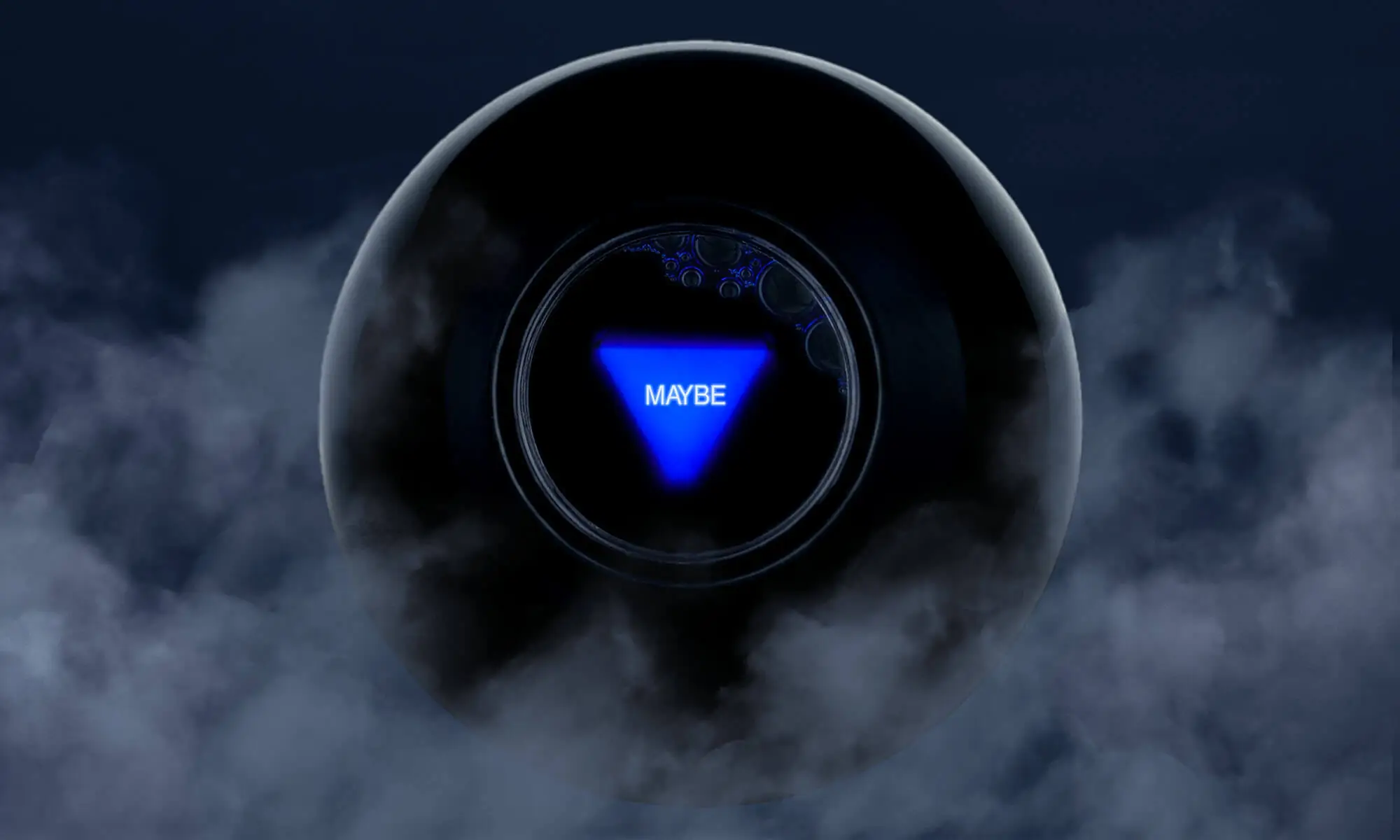
But is the world actually any more uncertain than it was two years ago? Or the years before that?
I’m not sure it is.
Our crystal balls have always been murky and unreliable, but sometimes we are forced to reckon with how little we actually know about what happens next.
I think this is one of those times.
All of us (economists and financial professionals included) are grappling with how little we can predict the future, and that’s being reflected in markets as well as the news.
What’s up with inflation?
We’re waiting for the next official inflation estimates for May, which economists expect to have edged down slightly from April.1
If the data comes in lower, it could indicate that inflation peaked in March and is headed back down from 40-year highs.
That would be a relief for everyone.
What’s driving markets?
Markets finally broke their losing streak, but it’s not clear yet whether we’re seeing a temporary rally or a return to optimism.2
Investors are still waiting to see whether prices have peaked and if the Federal Reserve has the ability to execute its policy plans.
Bottom line: We might experience a rocky summer as investors digest the data and look for a path forward.
That might be frustrating after the volatility we’ve already experienced this year, but it’s part and parcel of the market environment right now.
I don’t know how the summer will play out, but I can offer reassurance: we’re prepared for this and we’re watching closely.
2 – https://www.cnbc.com/2022/06/06/stock-market-futures-open-to-close-news.html

Frequently Asked Questions
Not necessarily. The world has always been unpredictable. What’s different today is our heightened awareness of uncertainty, driven by nonstop data, headlines, and real-time market reactions. Periods like this force us to confront how limited long-term forecasting has always been.
Because multiple issues are converging at once—inflation, supply chains, geopolitical tensions, and shifting monetary policy. When uncertainty shows up in several areas simultaneously, it feels more intense, even if uncertainty itself isn’t new.
We don’t know yet. Economists expect upcoming inflation data to show a slight decline from recent highs. If that happens, it may suggest inflation peaked earlier this year. But one data point doesn’t confirm a trend—markets will be watching closely for consistency over time.
Inflation influences interest rates, consumer spending, corporate profits, and Federal Reserve policy. When inflation is high and its path forward is unclear, markets struggle to price risk confidently, which leads to volatility.
Markets are reacting to uncertainty around two key questions:
- Have prices peaked?
Can the Federal Reserve control inflation without slowing the economy too much?
Until there’s clearer evidence, markets are likely to remain sensitive to new information.
It’s too early to say. Short-term rallies can happen even in difficult market environments. What matters more is whether economic data supports a sustained improvement, not just a temporary shift in sentiment.
Volatility is a realistic possibility as markets digest inflation data, earnings reports, and policy decisions. While frustrating, this type of environment is not unusual during periods of economic transition.
Reacting emotionally or chasing short-term trends often does more harm than good. A disciplined approach—grounded in long-term goals, diversification, and risk management—is usually more effective than trying to predict short-term market moves.
Preparation means stress-testing portfolios, staying diversified, managing risk intentionally, and remaining flexible as conditions evolve. It does not mean predicting exact outcomes—it means being positioned to navigate a range of possible scenarios.
Uncertainty is uncomfortable, but it’s not abnormal. Markets have always moved through periods of stress and adjustment. Staying informed, patient, and disciplined matters more than guessing what happens next.